Navigating the open seas requires precision, expertise, and the right tools. Among the most essential of these tools are nautical charts, indispensable resources for mariners worldwide. These detailed maps of water bodies help ensure safe and efficient navigation, marking out depths, hazards, and other critical information. This guide explores the importance of nautical charts, the role of nautical publications, and how they contribute to modern maritime safety.
What Are Nautical Charts and Why Are They Essential?
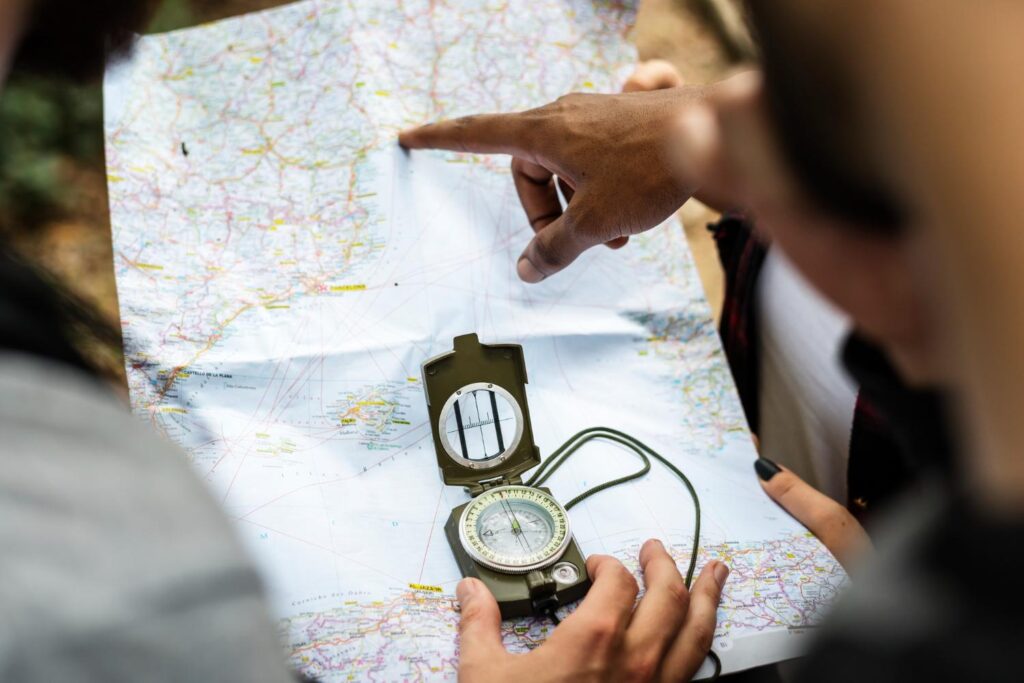
Nautical charts are specialized graphic representations of maritime zones, designed to provide crucial data for navigating oceans, seas, rivers, and coastal waters. They include information such as water depths, land contours, tide predictions, and significant underwater hazards like reefs or wrecks. Mariners rely on these charts to plan safe voyages and avoid potential dangers. In today’s technologically advanced world, digital nautical charts have revolutionized the way sailors access and update information.
The importance of these charts cannot be overstated. In 2022 alone, improper use of navigation tools led to over 70 reported maritime accidents globally, many of which could have been prevented through appropriate use of up-to-date charts. By avoiding guesswork, mariners enhance both their safety and operational efficiency.
The Role of Nautical Publications in Maritime Operations
In addition to charts, nautical publications serve as vital supplements for navigators. These publications include sailing directions, tide tables, lists of lights, and other reference materials that provide detailed guidance for specific regions. While charts offer visual representation, nautical publications add contextual and advisory information, enabling mariners to make informed decisions.
For example, a chart may indicate the presence of shallows, but a sailing direction will specify the best times and methods to navigate the area safely. The synergy between charts and publications equips mariners with comprehensive knowledge needed to tackle challenging waters.
Keeping Navigation Safe with Reliable Tools
Accurate navigation begins with the proper tools. Mariners should always ensure their nautical charts and nautical publications are current. Outdated information can lead to unforeseen risks, from running aground to collisions with newly marked hazards. Leveraging digital solutions eliminates the risks associated with older paper formats by offering real-time updates.
The International Maritime Organization (IMO) emphasizes the importance of adhering to safety standards set by the SOLAS (Safety of Life at Sea) convention, which mandates the use of proper navigation tools. For commercial vessels, having reliable charts and publications is more than a matter of convenience—it’s a legal requirement.
Conclusion
The vastness of the sea demands respect and preparation. With the aid of nautical charts and nautical publications, mariners are equipped to make informed decisions, ensuring smoother and safer journeys. Whether navigating bustling shipping lanes or remote waters, these tools remain the cornerstone of any successful voyage. Prioritizing accurate, up-to-date resources is key to mastering the art of maritime navigation.