
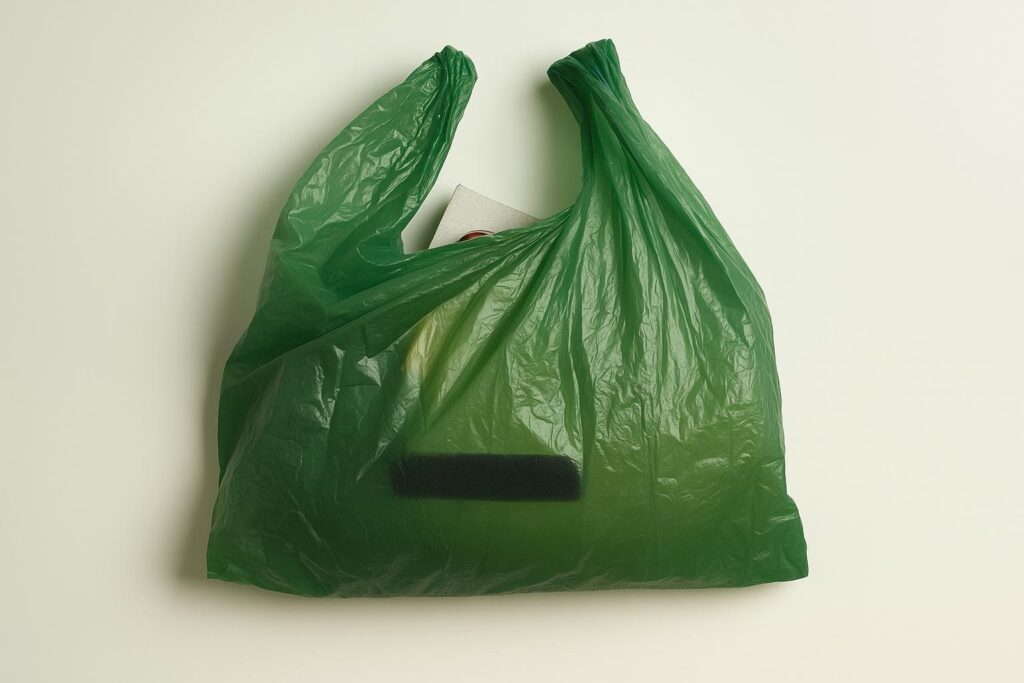
Polyethylene bags are everywhere. Grocery stores. Industrial sites. Packages arriving at your doorstep. Yet most people barely notice them. But here’s the thing, they’re not all the same. Different types. Different strengths. Different uses. Choosing the wrong bag can mean torn packages, wasted products, or frustrated customers. A small detail. A big impact.
Why Material Matters?
Polyethylene comes in different densities. LDPE. HDPE. LLDPE. On paper, they’re acronyms. In practice, they dictate stretch, strength, and resistance. Pick the wrong one, and it’s a recipe for tears, spills, or worse. Get it right, and you save money. Prevent damage. Improve efficiency. It’s subtle, but it matters.
Low-Density Polyethylene (LDPE) Bags
Soft. Stretchy. Flexible. That’s LDPE. It wraps around oddly shaped items without tearing. Food retailers love it. Cold storage? No problem. Moisture? Handled. But it has limits. Overload it, and it will tear. Misuse it, and it costs more in replacements than the savings it offers.
High-Density Polyethylene (HDPE) Bags
HDPE is thinner but stronger. Puncture-resistant. Chemical-resistant. Perfect for heavy shopping, industrial liners, trash disposal. But rigidity comes with quirks. Cold temperatures? Cracks appear. Sharp edges? Tears. Understanding the material’s behaviour saves frustration. HDPE is reliable—but only when respected.
Linear Low-Density Polyethylene (LLDPE) Bags
LLDPE is the middle ground. Strong, flexible, puncture-resistant. Used in shipping, couriers, industrial storage. Many manufacturers combine it with other materials. For instance, adding polypropylene fabric for sale can create hybrid bags. Tough. Long-lasting. Suitable for heavy-duty applications where ordinary bags fail.
Applications You Might Not Expect
Polyethylene bags aren’t just for groceries. Electronics. Chemicals. Textiles. They protect, shield, preserve. They prevent waste, reduce losses, and make logistics smoother. Their versatility is underappreciated. Used well, they do more than carry—they safeguard.
Environmental Realities
Most polyethylene isn’t biodegradable. It can sit in landfills for decades. Harsh truth. But change is coming. Reusable designs. Recycling programmes. Hybrid solutions. All making bags functional without ignoring environmental responsibility. Choosing wisely is now both a performance and a sustainability decision.
The differences between LDPE, HDPE, and LLDPE are subtle. Yet crucial. Choosing the right polyethylene bags is more than convenience. It’s about reliability. Efficiency. Protection. Sustainability. Informed choices lead to fewer damages, cost savings, and peace of mind. Small decisions, big results.