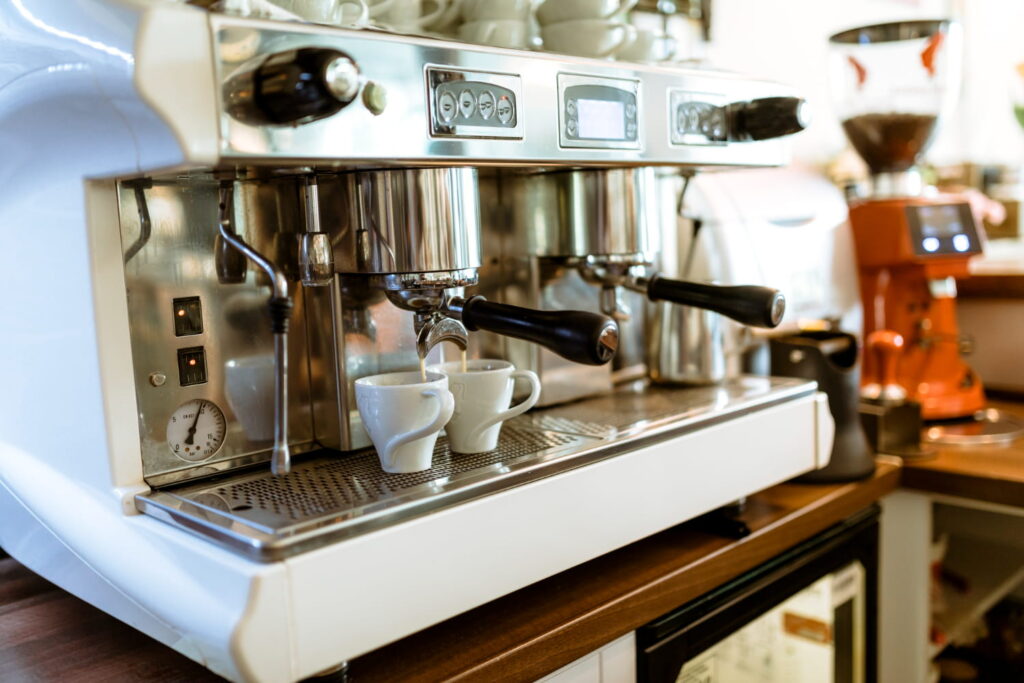
Buying a coffee machine shouldn’t be complicated. Walk in, pick one, pay, done. Except it’s never that simple, is it? There are a million models, confusing specs, and sales staff who either know nothing or won’t shut up about extraction times. Finding a decent coffee machine shop makes the whole ordeal significantly less painful.
They Actually Know Their Stuff
Nothing worse than asking a question and getting a blank stare back. Good shops employ people who understand coffee machines—not just the brochure specs, but real-world performance. They’ve used these things, fixed them, seen what breaks. Ask a tricky question and they should answer it without Googling frantically or making something up on the spot.
No Pushy Sales Nonsense
Walk into some places, and they’re trying to upsell before you’ve finished saying hello. “You definitely need the premium model with the triple boiler and gold-plated portafilter.” No, mate, it’s for a small office. The hard sell is exhausting and usually means they care more about commission than finding the right fit. Decent shops listen first, then make suggestions that actually make sense.
Range That’s Actually Useful
Some shops stock one brand and insist it’s the only one worth having. Others have fifty models and no clear guidance. The sweet spot is variety without overwhelm—different price points, different capacities, brands that have actual reputations. If they’re only pushing obscure manufacturers nobody’s heard of, there’s probably a reason.
Service After the Sale
Here’s what separates good shops from rubbish ones: what happens when something goes wrong. Machine breaks, needs maintenance, mysterious error code appears—can they fix it? Do they have technicians? Stock parts? Or is it “sorry, not our problem, ring this number and good luck”? Shops that service what they sell are worth their weight in gold.
Honest About What You Need
A ten-person office doesn’t need a machine built for a hundred-cover restaurant. Good shops say so. They’re not trying to shift the most expensive kit—they’re matching equipment to actual requirements. Does someone admit the cheaper model will do the job just fine? That’s a shop worth trusting.
Proper Demonstrations
Seeing a machine work tells more than any spec sheet. Watching how it operates, hearing how loud it is, checking how complicated the controls are—that stuff matters. Shops confident in their products will happily run demonstrations. Places that won’t? Red flag.
Training Included or Available
Dropping thousands on a machine, then having nobody know how to use it properly is remarkably common. Best shops include basic training—showing how to operate it, maintain it, and troubleshoot simple problems. Even if it costs extra, training available means they’re thinking beyond just making the sale.
Transparent Pricing
“Ring for a quote” usually means “we’ll charge whatever we think we can get away with.” Prices should be clear. Delivery costs are upfront. Installation fees stated. No surprises at checkout. If everything’s vague and “depends on various factors,” walk away.
Local Matters More Than Expected
Online retailers are fine until something needs fixing. Then, suddenly, that company three hundred miles away isn’t very helpful. Local shops mean someone can actually show up when there’s a problem. For commercial machines especially, having support nearby isn’t just convenient—it’s essential.
Reviews That Ring True
Five-star reviews that all sound identical? Probably fake. Mix of feedback with specific details about experiences? More believable. Check Google, check forums, ask around. The perfect coffee machine shops have reputations that precede them—bad ones do too.
Finding the right shop takes a bit of legwork, but it’s worth it. The machine’s only half the purchase. The support, knowledge, and service? That’s what actually matters when things go sideways at 8 am on a Monday.