
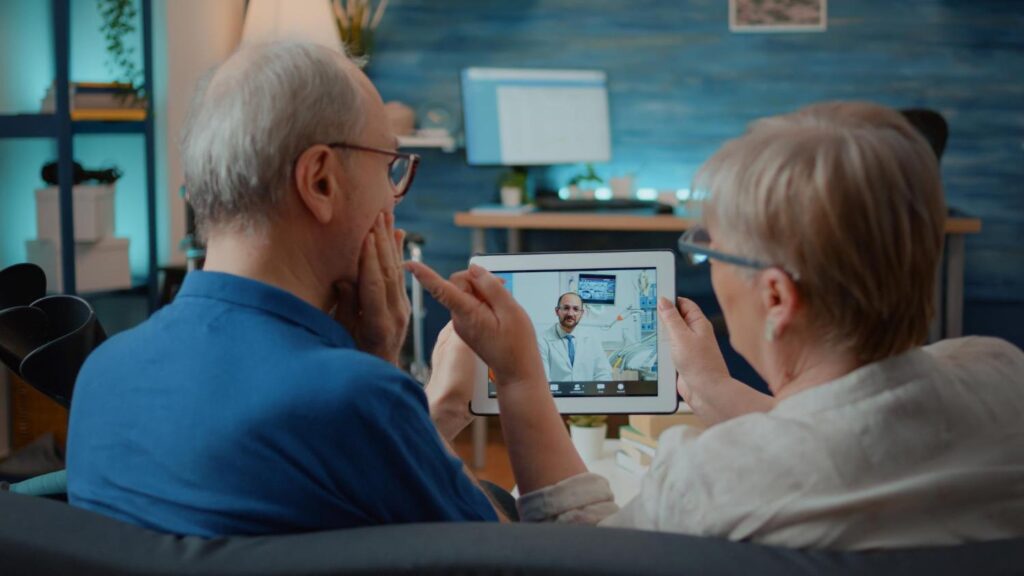
As the demand for community home care continues to rise, advancements in technology and changes in societal expectations are reshaping the industry. The year 2025 promises to be a transformative period for home care services, driven by innovation, personalization, and more accessible solutions for families and individuals looking for tailored care options. This post explores the latest trends and innovations shaping the future of this essential service.
The Growth of Technology in Home Care
Technology is playing a pivotal role in enhancing the quality and efficiency of community home care. In 2025, artificial intelligence (AI), the Internet of Things (IoT), and wearable devices are set to revolutionize the way care is delivered. For instance, AI-driven platforms can now monitor patient health in real-time, predict potential health issues, and optimize care plans accordingly.
Additionally, smart home systems integrated with IoT devices enable caregivers to track medication schedules, detect falls, and support independent living. With 67% of seniors preferring to age in place, these technological innovations will empower home care services to create safer and more comfortable environments for their clients.
Increasing Focus on Personalization
Personalized care is becoming a cornerstone of modern community home care. Instead of standardized services, providers are offering tailored solutions that account for individual needs, preferences, and cultural backgrounds. Advanced data analytics allow care providers to gather insights into their clients’ lifestyles, enabling the creation of highly customized care plans.
By 2025, it is expected that nearly 85% of home care services will offer personalized options, ranging from specific dietary plans to social engagement initiatives. This shift reflects the rising demand for care solutions that align with the unique circumstances of each client.
Community-Based Care Models
Collaborative care models within communities are reshaping how services are delivered. In 2025, community home care providers are predicted to partner more extensively with local organizations, including clinics, gyms, and social hubs, to enable comprehensive care initiatives.
These partnerships help address both physical and emotional needs, encouraging clients to engage socially while receiving high-quality assistance. Studies show that seniors who participate in community-driven care programs report a 25% increase in overall life satisfaction.
Sustainability and Eco-Friendly Home Care Solutions
The future of home care services also emphasizes sustainability. From eco-friendly medical supplies to energy-efficient devices used in caregiving routines, providers are focusing on reducing their environmental footprint. This approach not only benefits the planet but also appeals to clients who value green practices.
As 2025 unfolds, the landscape of community home care will be defined by technology, personalization, and community collaboration. With the growing emphasis on tailored care services and sustainable practices, clients can expect improved assistance that meets both their practical and emotional needs. By prioritizing innovation and adapting to emerging trends, providers can continue to enhance the lives of individuals who rely on home care services.
The future of home care is promising, offering solutions that truly cater to the evolving needs of clients and their families.