
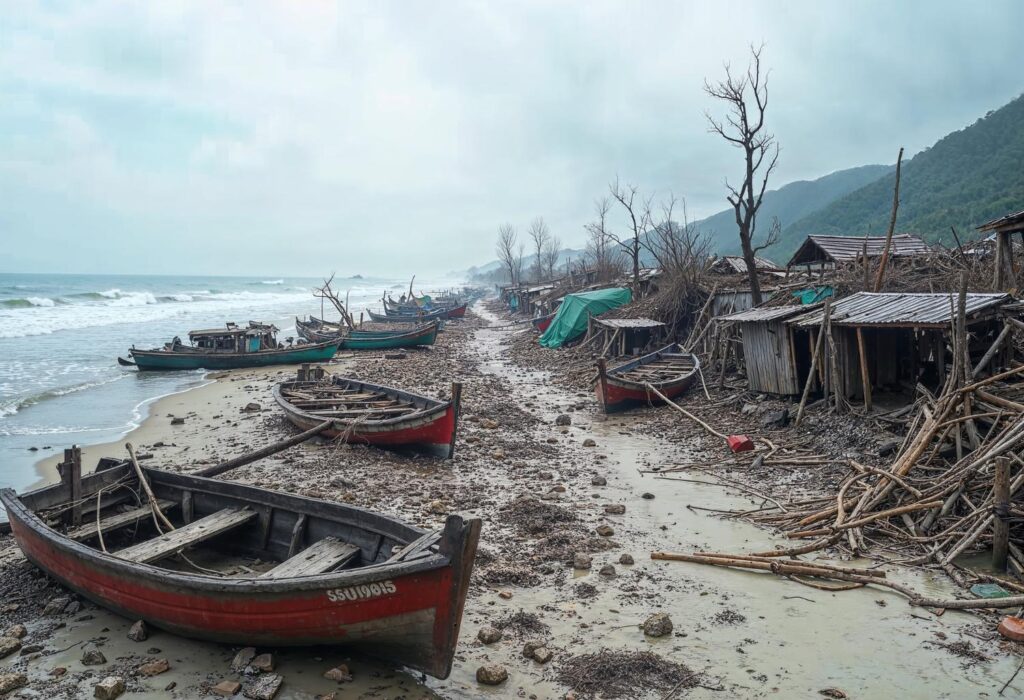
When disaster strikes, the first 24 hours are critical for families to ensure safety, account for loved ones, and begin recovery. Hurricanes, floods, tornadoes, and other natural disasters can occur suddenly, leaving little time to react. Cajun Navy 2016 emphasizes preparedness and immediate action during this crucial period. By understanding what to do in the initial hours after a disaster, families can reduce risk, prevent injuries, and start the recovery process effectively.
1. Ensure Immediate Safety
The first priority after any natural disaster is ensuring that every family member is safe. Check for injuries and assess hazards in and around your home. Key steps include:
- Move to a safe location: If your home is damaged or in a flood zone, relocate to higher ground or a designated shelter.
- Avoid downed power lines: Electricity hazards are common after storms. Stay at least 10 feet away from fallen wires.
- Watch for structural damage: Do not enter buildings that appear unstable or have visible damage.
Safety comes first, and no possessions are worth risking lives.
2. Account for All Family Members and Pets
After ensuring safety, it is crucial to account for everyone in your household. This includes children, elderly relatives, and pets. Families should have a designated meeting point and a simple communication plan if members were separated. Tips include:
- Use a buddy system: Pair family members to check on each other, especially children or the elderly.
- Check on neighbors if safe: Extend your concern to those nearby, particularly those with limited mobility.
- Keep pets secure: Animals may be frightened or disoriented; ensure they are contained and safe.
Cajun Navy 2016 often assists in rescuing both people and pets during natural disasters, highlighting the importance of including all family members in early safety checks.
3. Stay Informed and Updated
Natural disasters can evolve rapidly. In the first 24 hours, staying informed is critical. Families should:
- Listen to official updates: Use a battery-powered radio, phone alerts, or local news sources to monitor conditions.
- Follow evacuation or safety instructions: Authorities may issue new warnings or provide directions to shelters.
- Avoid rumors: Only rely on verified sources to make decisions.
Prepared families understand that accurate information can prevent unnecessary risk and ensure timely responses.
4. Avoid Immediate Cleanup or Re-Entry
It may be tempting to return home to assess damage, but in the first 24 hours, this is often unsafe. Hazards include:
- Contaminated water or debris: Floodwaters may carry harmful bacteria or chemicals.
- Unstable structures: Buildings can collapse or have weakened floors, walls, or roofs.
- Hidden dangers: Gas leaks, broken glass, and sharp objects are common after storms.
Instead, wait for official clearance or assistance from disaster response teams like Cajun Navy 2016 before attempting cleanup.
5. Document Damage for Insurance and Recovery
If safe to do so, take photographs or videos of property damage. This documentation will be important for:
- Insurance claims
- Disaster relief assistance
- Assessing immediate needs for repairs or temporary housing
Keep digital copies backed up on your phone or cloud storage, and avoid unnecessary exposure to unsafe areas during documentation.
6. Prioritize Basic Needs
In the first 24 hours, access to essentials like water, food, and shelter is critical. Families should:
- Stay hydrated: Drink clean water or use bottled water if supplies are limited.
- Consume non-perishable foods: Avoid raw or spoiled items.
- Secure temporary shelter: Emergency shelters, friends, or family can provide a safe place if your home is compromised.
Preparedness kits with first aid supplies, water, flashlights, and batteries are invaluable in these early hours.
7. Reach Out for Help
Disaster relief organizations play a critical role in the first day after a natural disaster. Families should:
- Contact local emergency services if immediate danger exists.
- Seek assistance from certified relief groups, such as Cajun Navy 2016, which specialize in rescue and emergency aid.
- Use community networks to check on neighbors and share resources safely.
Early coordination with relief organizations can save lives and prevent small emergencies from becoming larger crises.
8. Monitor Emotional Well-Being
Natural disasters are traumatic, and stress can peak in the first 24 hours. Families should:
- Check on mental health: Encourage open conversation among family members about fears or anxieties.
- Provide comfort and reassurance to children: Maintain familiar routines where possible.
- Seek professional support if needed: Many organizations provide counseling services during disaster recovery.
Maintaining emotional stability helps families make better decisions and cope with the aftermath effectively.
9. Plan for the Next 24 Hours
Once immediate safety, communication, and basic needs are addressed, families should begin planning for the hours ahead:
- Identify safe locations for the night if home is compromised.
- Prepare emergency supplies for continued access to food, water, and first aid.
- Coordinate with authorities or relief agencies for updates and next steps in recovery.
A proactive approach ensures that the family is prepared for evolving conditions and unforeseen complications.
Conclusion
The first 24 hours after a natural disaster can determine a family’s safety and readiness for recovery. By prioritizing immediate safety, accounting for all family members, staying informed, and seeking help when needed, households can reduce risk and begin the path to recovery. Organizations like Cajun Navy 2016 highlight the importance of swift, coordinated response during emergencies, assisting communities in navigating the most critical early hours.
Prepared families, mindful of both physical safety and emotional well-being, are better equipped to face the challenges of disaster recovery — turning a potentially overwhelming situation into a manageable, step-by-step process.