
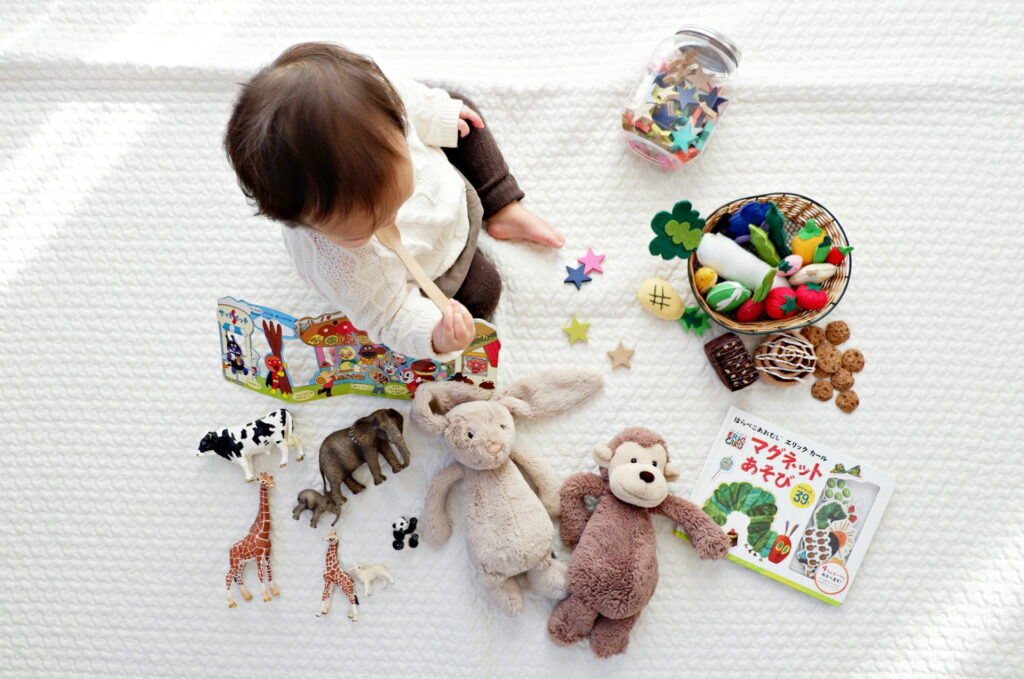
Here’s the truth: choosing the right childcare centre can feel like one of the biggest decisions you’ll ever make as a parent. It’s not just about finding somewhere safe — it’s about finding a place where your child will actually thrive. Somewhere they’ll laugh, learn, make friends, and maybe even come home a little messy (which, let’s be honest, usually means they had a great day).
With so many daycare centres popping up everywhere, it can get confusing fast. So let’s break down what actually makes a childcare environment amazing — beyond the glossy brochures and colourful playrooms.
The Heart of a Great Childcare Centre
A good childcare centre isn’t just a building full of toys — it’s a place designed to nurture curiosity, independence, and confidence. The best ones create a rhythm to the day that balances play, rest, and learning.
You’ll usually find:
- Play-based learning that encourages imagination and problem-solving.
- Educators who genuinely love what they do — you can feel it when they greet your child by name.
- Flexible routines that suit each child’s pace, not a one-size-fits-all structure.
- Spaces that feel warm and lived-in, not sterile or overly polished.
The best centres don’t just “watch” kids. They engage with them. They listen, they laugh, they get down on the floor and build towers that topple — and then help little hands build them back up again.
Why Daycare Centres Matter More Than You Think
People sometimes underestimate daycare centres, thinking they’re just convenient for working parents. But quality daycare is so much more than that. It’s where social and emotional skills bloom early. Kids learn how to share, take turns, handle frustration, and form friendships — lessons that matter way beyond childhood.
In great daycare centres, educators teach life skills without calling them that. Snack time becomes a lesson in manners. Group play becomes teamwork. Even naptime teaches routine and calm.
This early structure helps kids feel safe and confident, building the foundation for school readiness — and honestly, for life in general.
What to Look for When Choosing a Childcare Centre
If you’re touring daycare centres, here’s what to actually pay attention to (beyond the shiny toys):
- The vibe. Trust your gut — is the energy calm but joyful?
- The staff. Do they get down to eye level when talking to children? That’s a huge sign of respect and connection.
- Cleanliness (but not perfection). A few paint splatters and toy clutter? Totally fine. It means kids are actually playing.
- Communication. The best centres keep you in the loop — updates, photos, and honest chats about your child’s day.
- Outdoor time. Playgrounds and gardens where kids can explore freely make a world of difference.
A good childcare centre will also welcome your questions — about curriculum, safety, staff training, even meal prep. If they’re transparent and open, that’s gold.
The Balance Between Care and Learning
Modern daycare centres have shifted so much over the years. They’re not just about minding kids until pickup. They’re designed around early learning frameworks — gentle introductions to literacy, numbers, creativity, and emotional awareness.
But the real magic happens when care and learning overlap. When a teacher helps a child calm down after a fall, or celebrates a messy finger-paint masterpiece — that’s education in its purest form.
Children don’t remember worksheets. They remember warmth.
Final Thought
Finding the right daydcare centre isn’t about perfection — it’s about connection. The right place will feel welcoming the moment you walk in. You’ll see laughter, hear chatter, maybe smell playdough in the air — and you’ll just know your child will be happy there.
Because at the end of the day, daycare centres aren’t just places kids go while parents work. They’re the first communities our little humans belong to — the places where confidence starts to grow, friendships form, and curiosity takes root.