
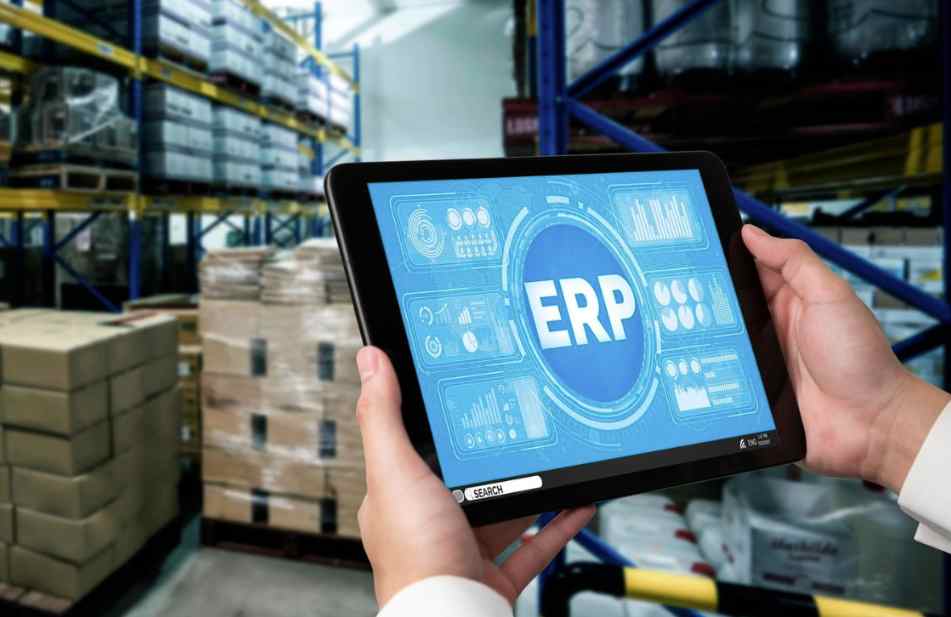
Manufacturing businesses operate in a complex environment where inventory, production, procurement, finance, and sales must work together seamlessly. Managing these processes manually or through disconnected software often leads to errors, delays, and higher operational costs.
That’s why investing in the best ERP system for manufacturing is essential. A reliable solution like Prime Station helps manufacturers streamline operations, improve visibility, and make smarter business decisions with real-time data.
What Makes the Best ERP System for Manufacturing?
The best ERP system for manufacturing is designed specifically to handle production workflows, supply chain management, and inventory control. Unlike generic software, it integrates every department into a single, centralized platform.
With an advanced ERP system, manufacturers can track raw materials, monitor production schedules, manage bills of materials (BOM), and oversee quality control processes in one place. This integration reduces data duplication and improves overall efficiency.
Real-Time Data and Production Control
One of the most valuable features of a manufacturing ERP system is real-time visibility. Managers can monitor production progress, identify bottlenecks, and adjust schedules instantly.
This level of control helps prevent downtime and ensures that customer orders are completed on time. Accurate forecasting and planning also reduce excess inventory and material shortages.
Key Features to Look for in the Best ERP System for Manufacturing
When selecting an ERP solution, manufacturers should focus on features that support their specific operational needs.
- Production Planning and Scheduling: Efficiently manage manufacturing workflows.
- Inventory Management: Track stock levels and prevent overstocking or shortages.
- Supply Chain Integration: Coordinate with suppliers and distributors seamlessly.
- Quality Control Tools: Maintain consistent product standards.
- Financial Management: Monitor costs, budgets, and profitability in real time.
These features ensure that the ERP system supports both daily operations and long-term growth.
Benefits of Implementing the Best ERP System for Manufacturing
A major advantage of implementing the best ERP system for manufacturing is improved efficiency. Automation reduces manual tasks, minimizes errors, and speeds up business processes.
Another benefit is better decision-making. With accurate and up-to-date data, managers can analyze performance, predict demand, and plan resources more effectively. This leads to higher productivity and reduced operational waste.
Additionally, an ERP system enhances collaboration between departments. When everyone works from the same data source, communication improves and misunderstandings decrease.
How to Choose the Right ERP Partner
Selecting the right ERP provider is just as important as choosing the software itself. Look for a solution that is scalable, user-friendly, and tailored to manufacturing needs.
It’s also important to consider implementation support, training, and ongoing technical assistance. A trusted platform like Prime Station offers manufacturers a comprehensive system designed to adapt as the business grows.
By investing in the best ERP system for manufacturing, companies can gain greater control over operations, improve efficiency, and position themselves for sustainable success in a competitive market.